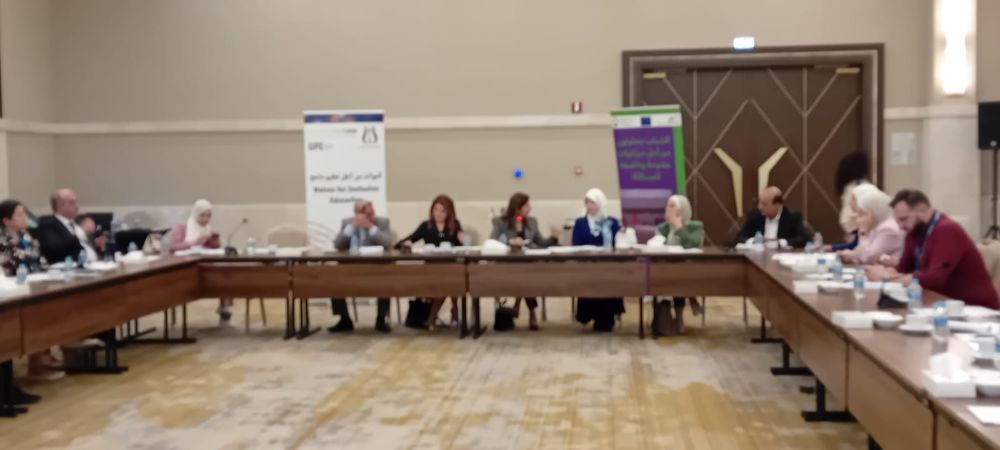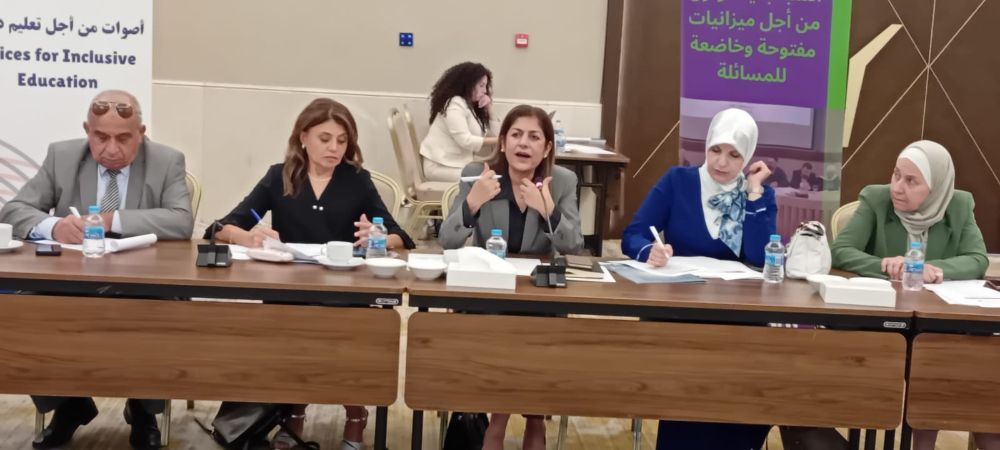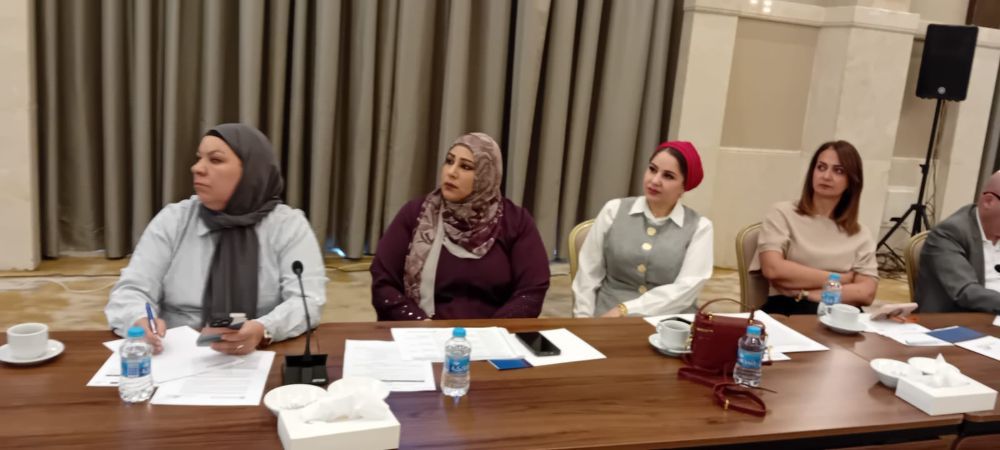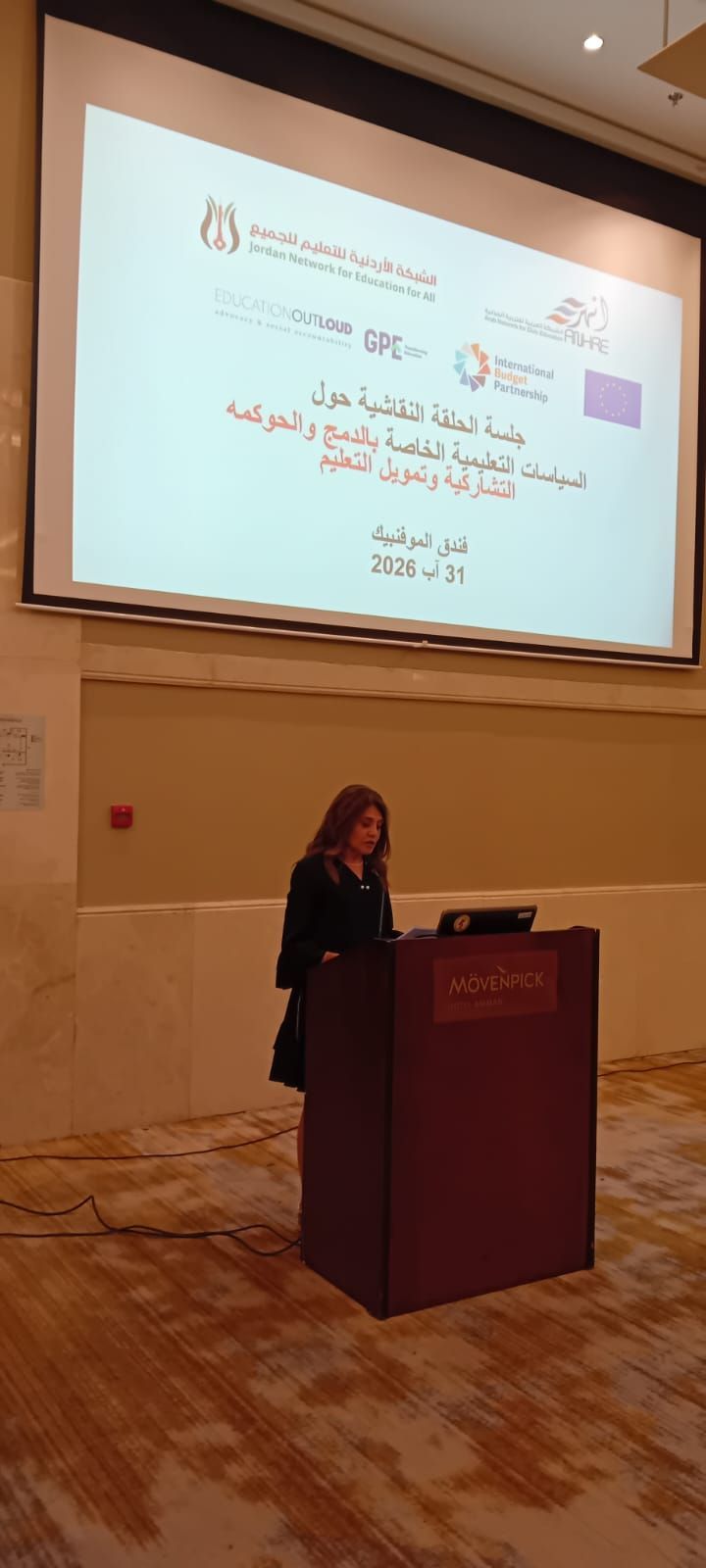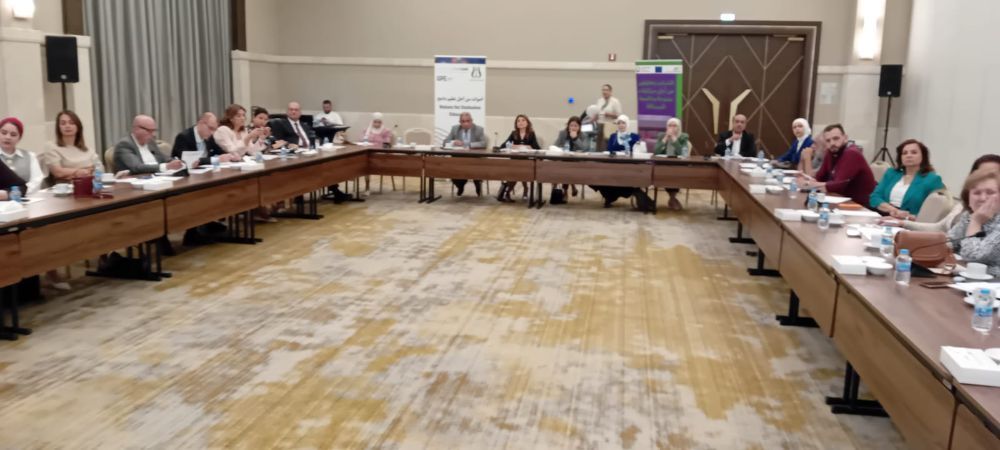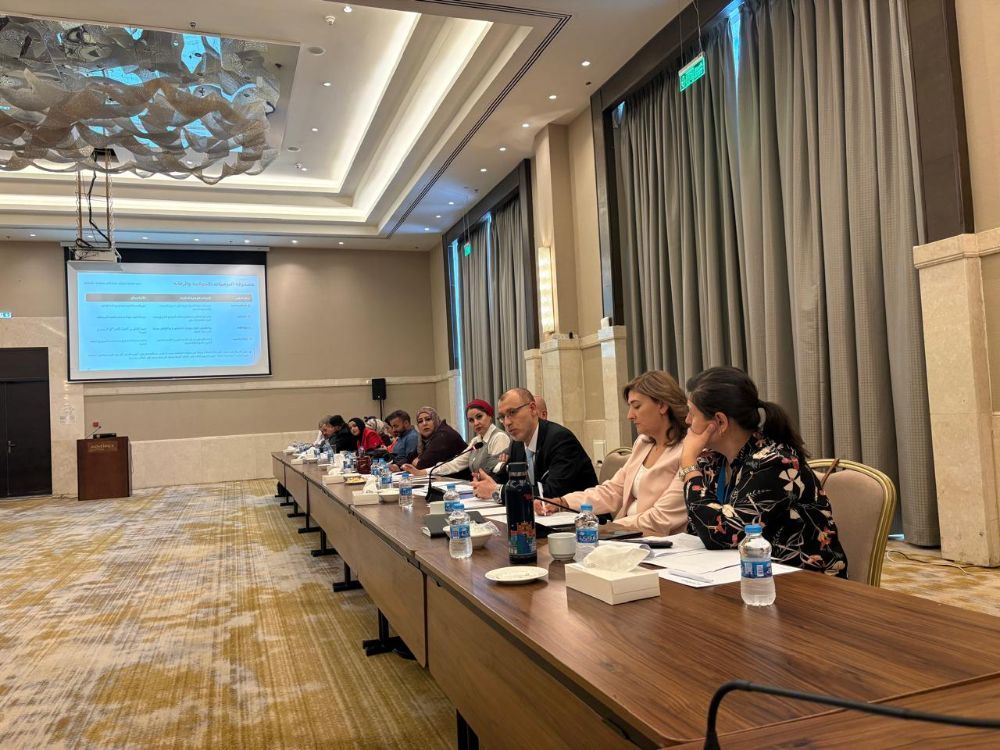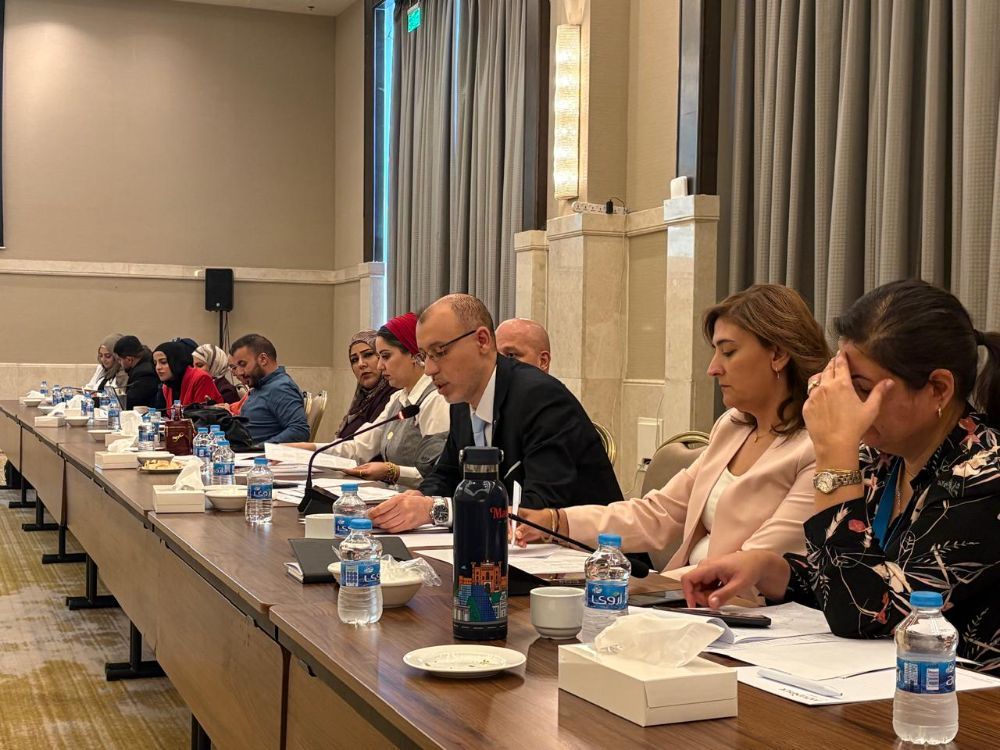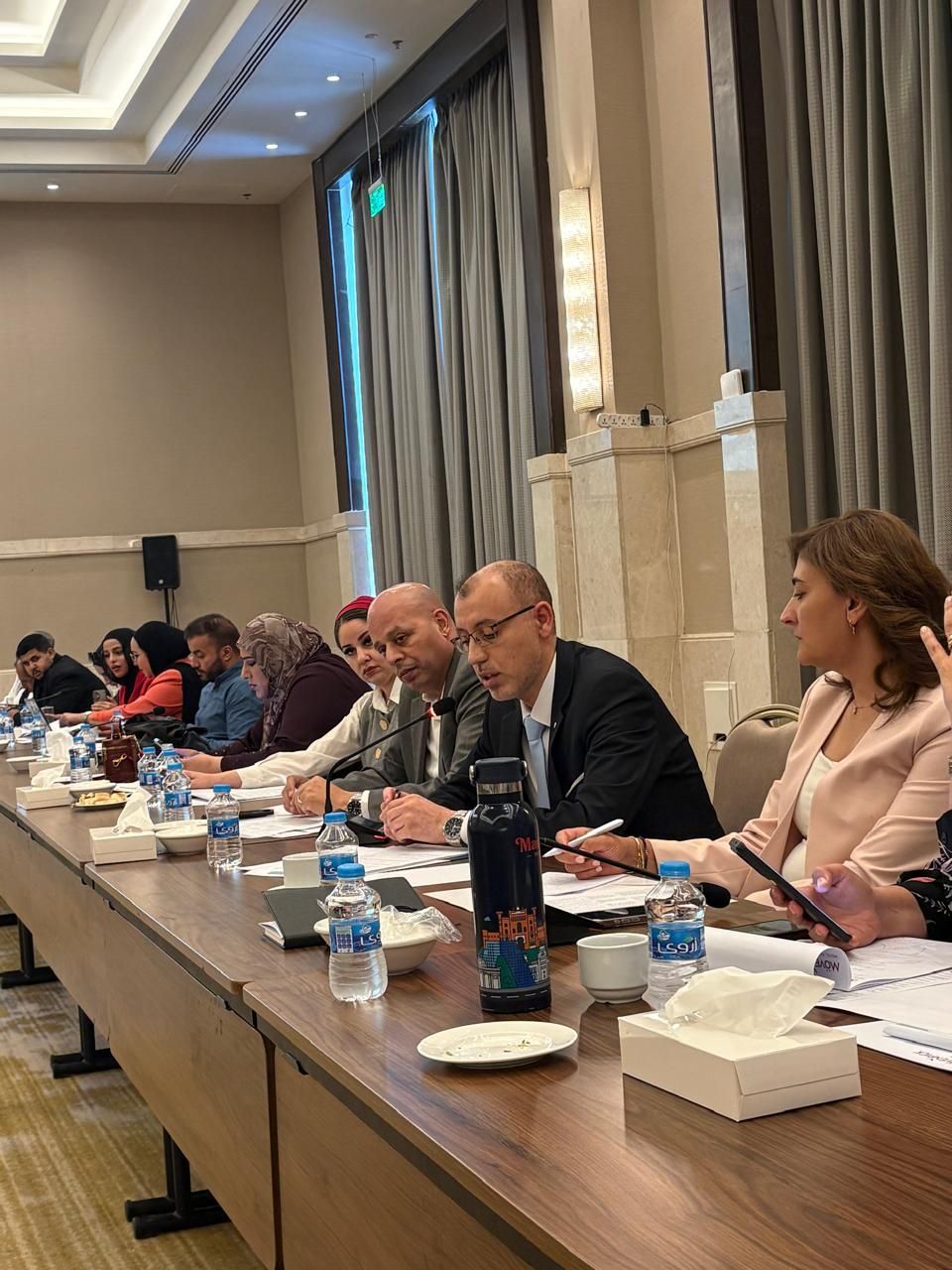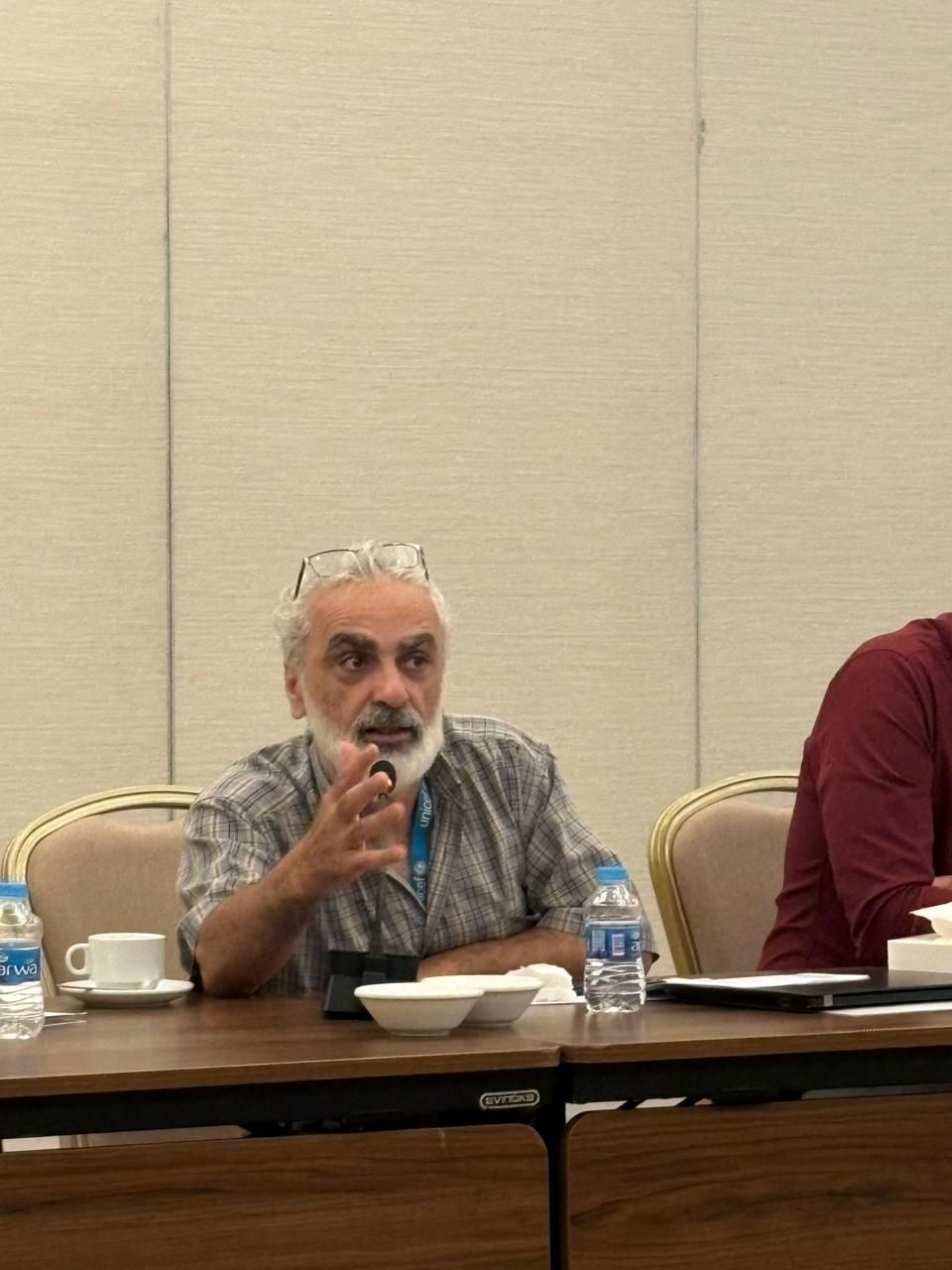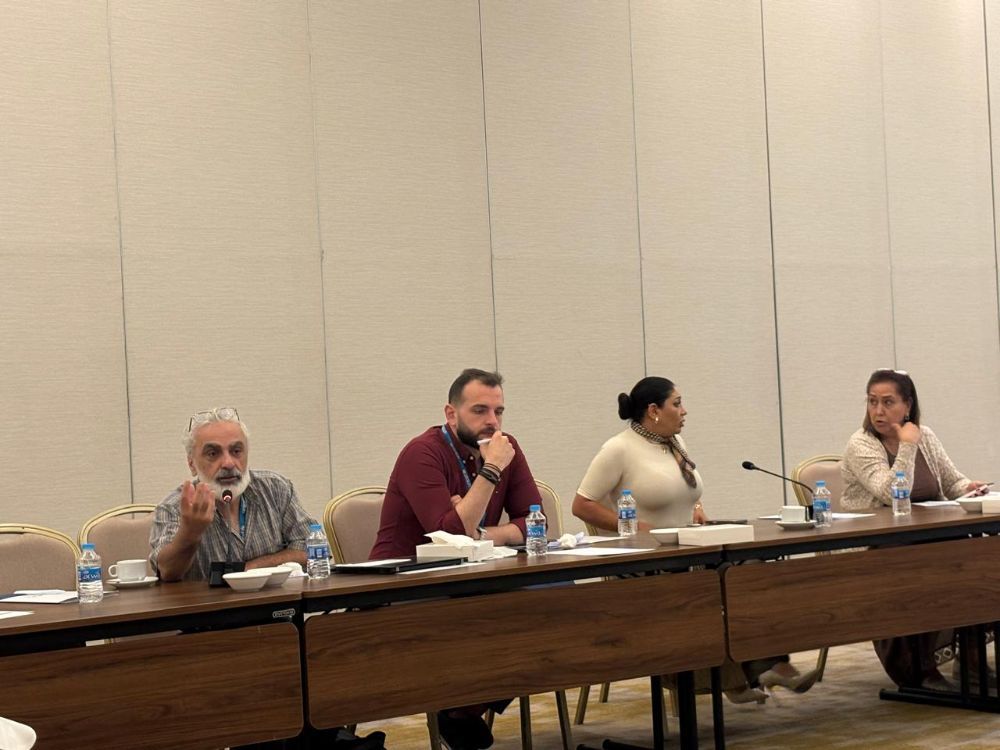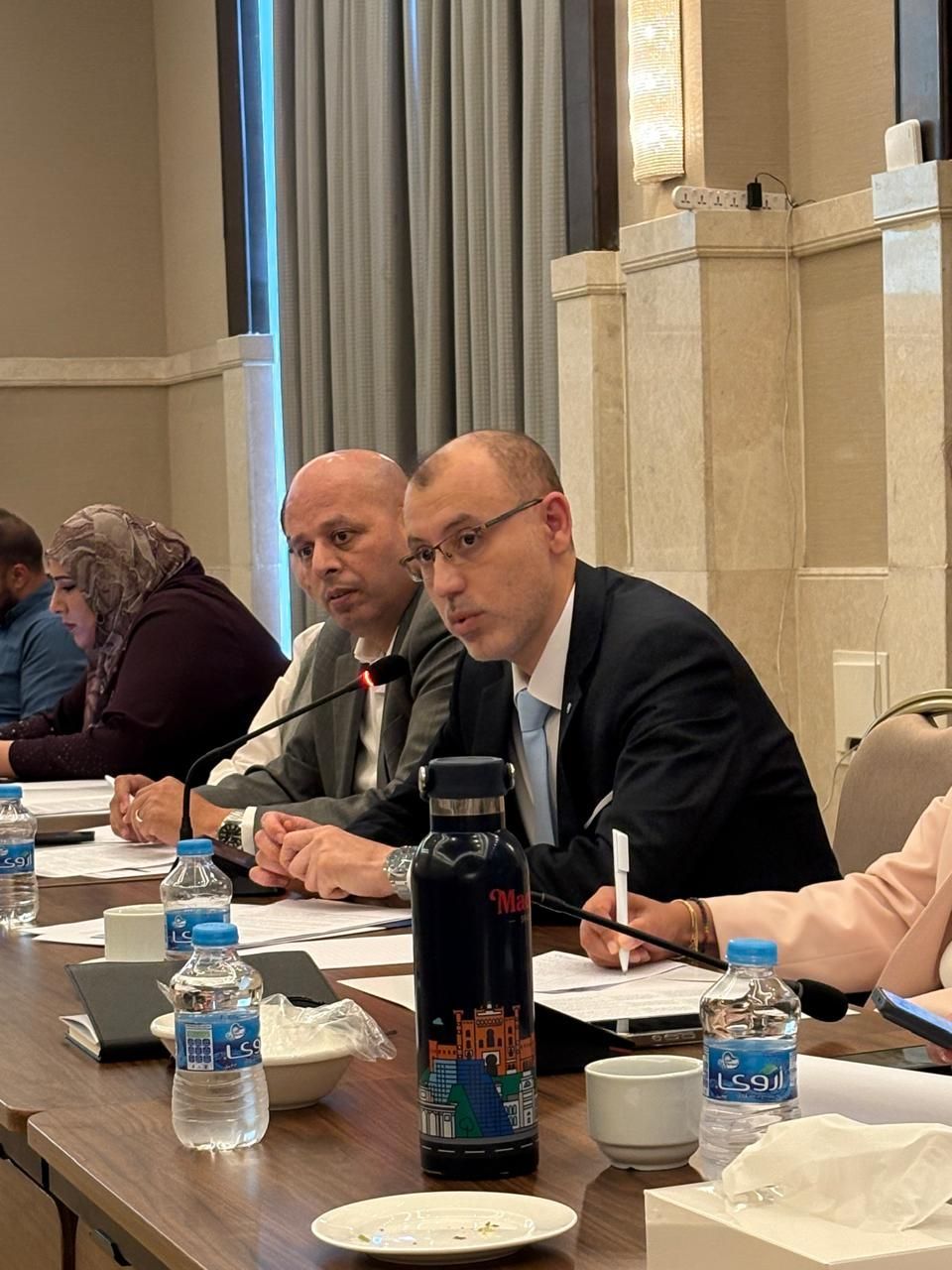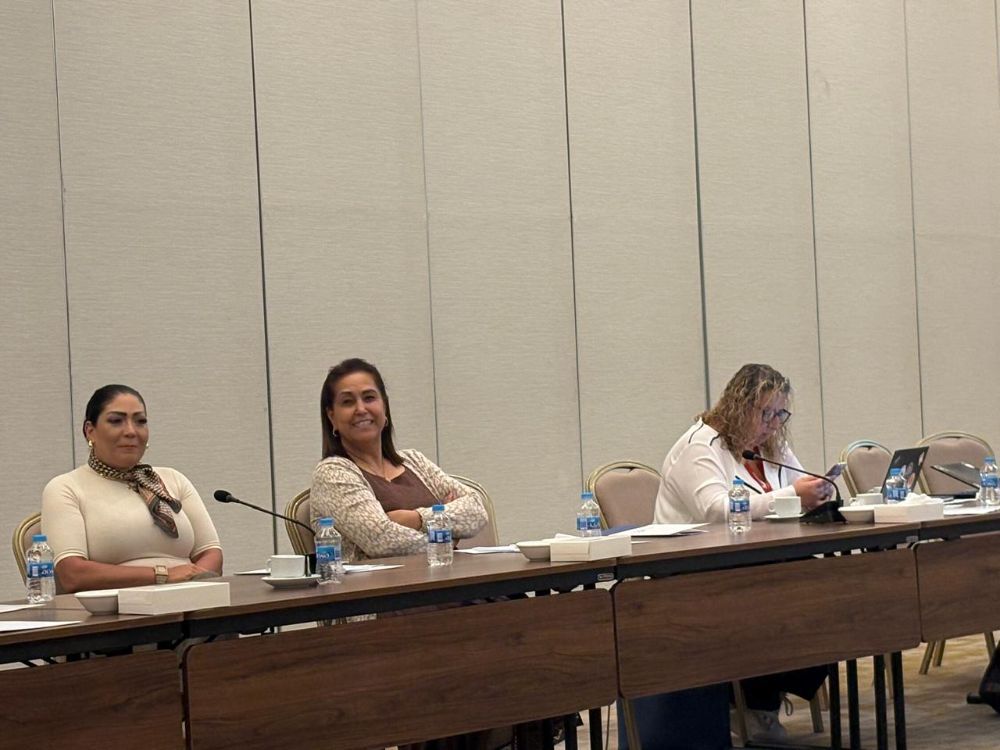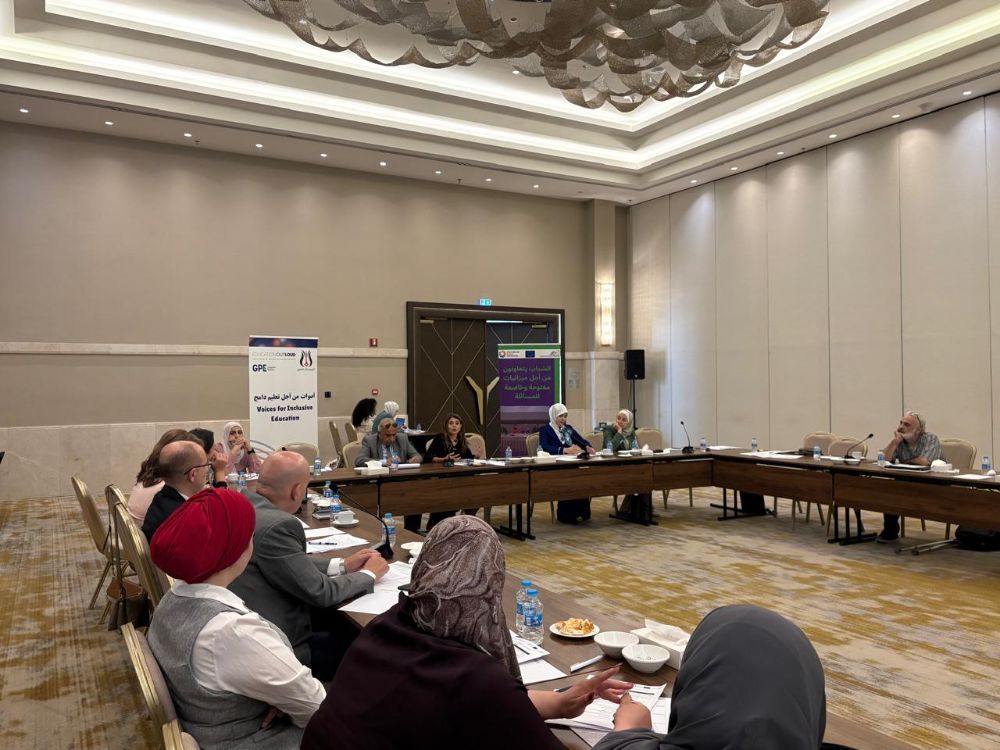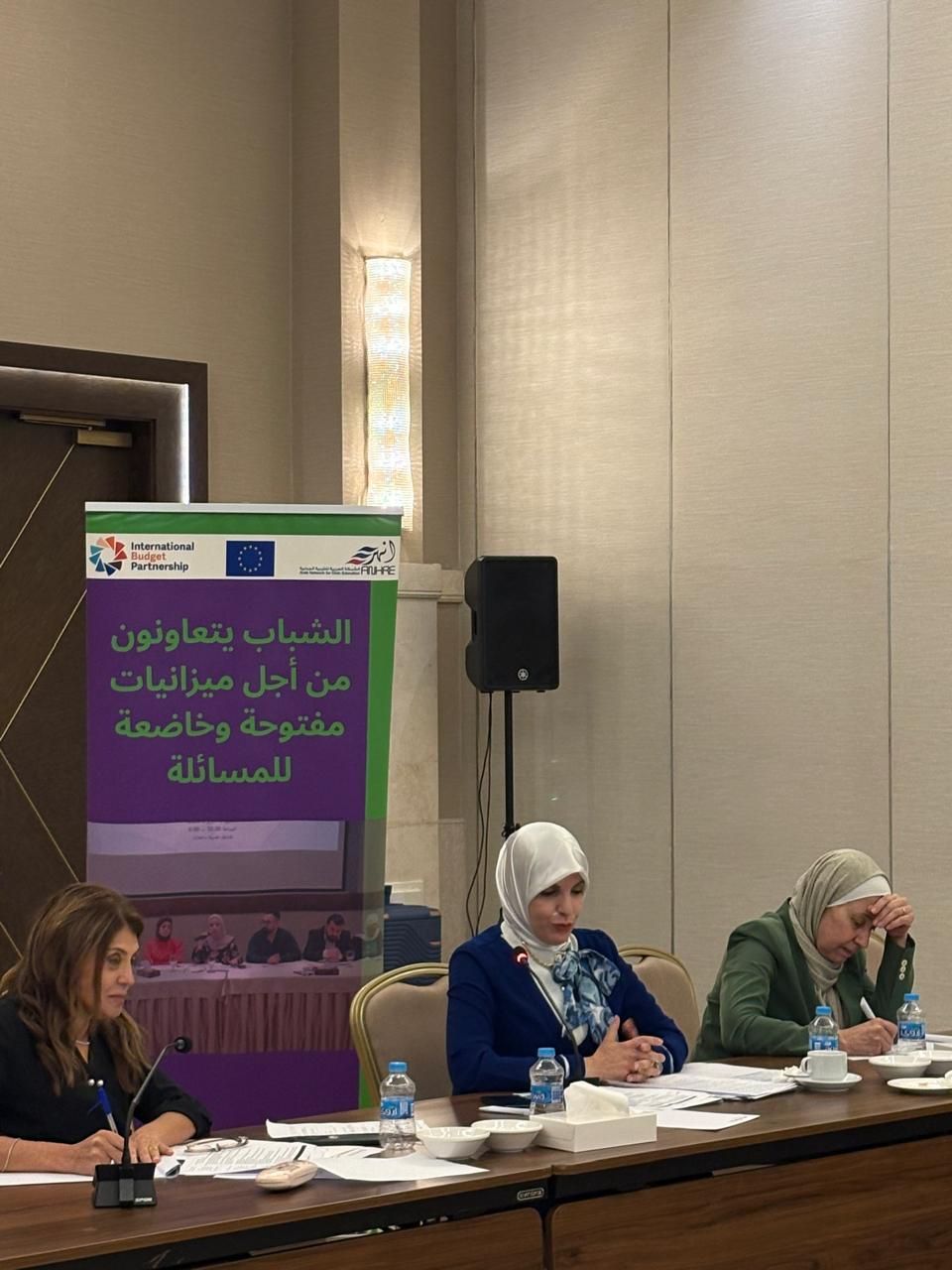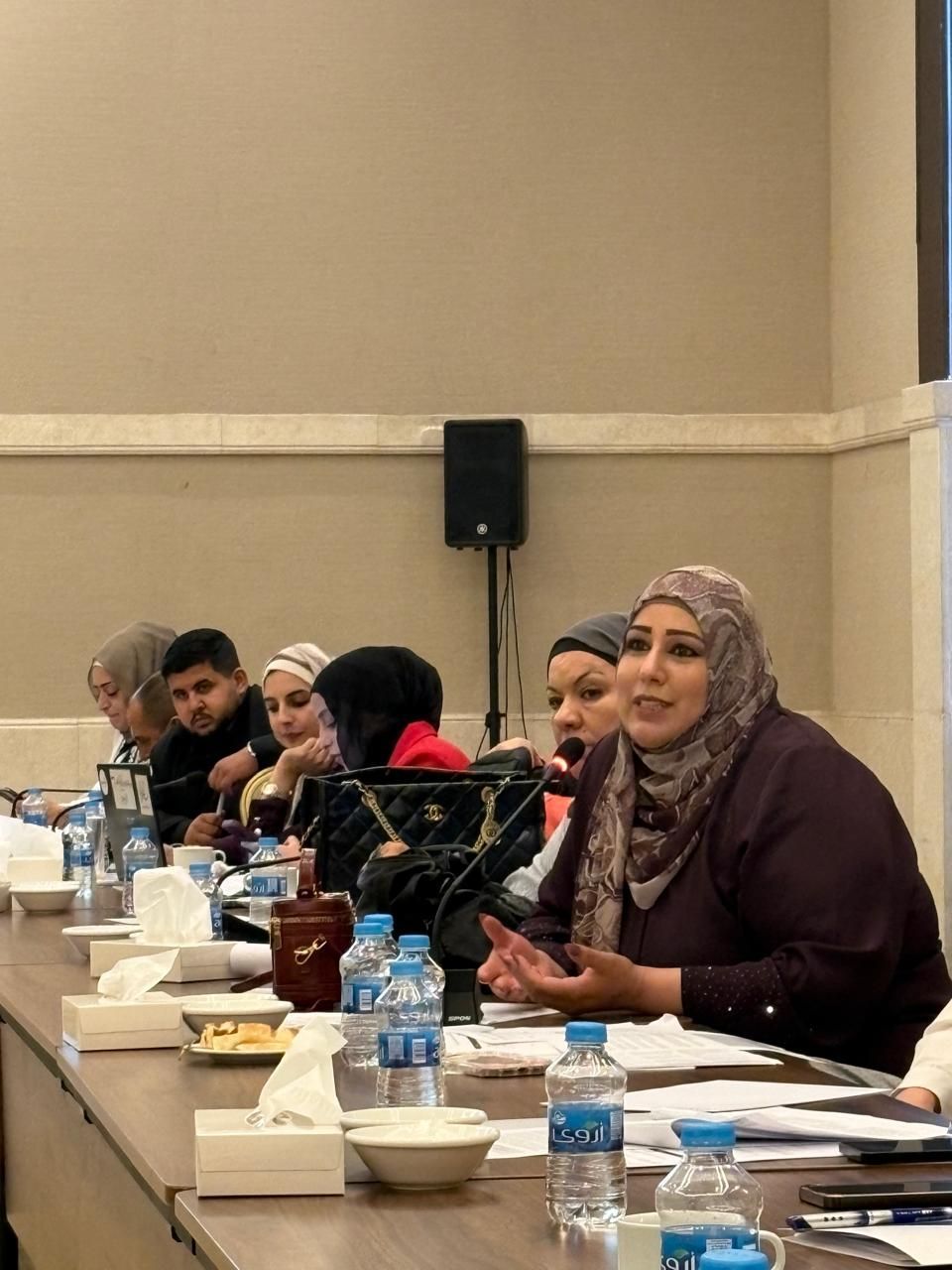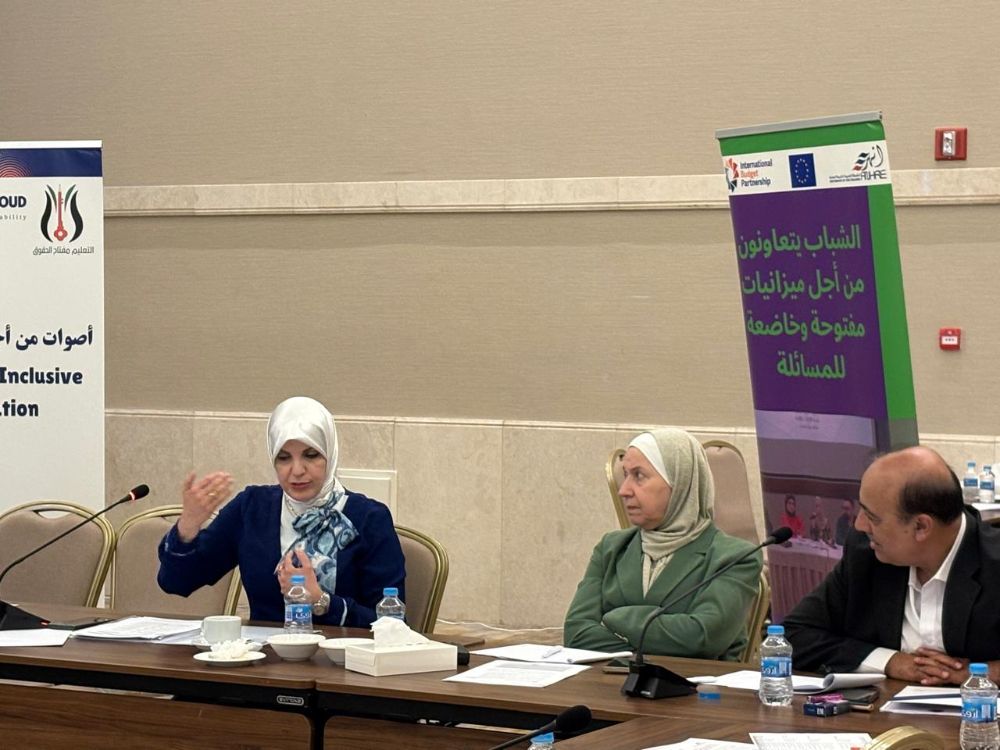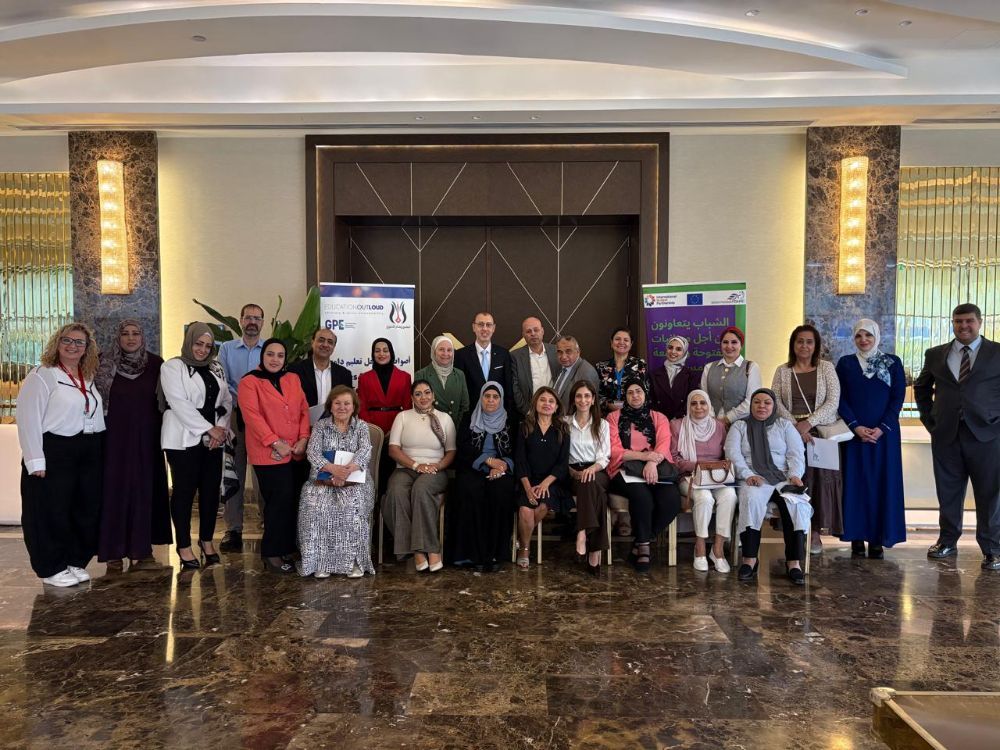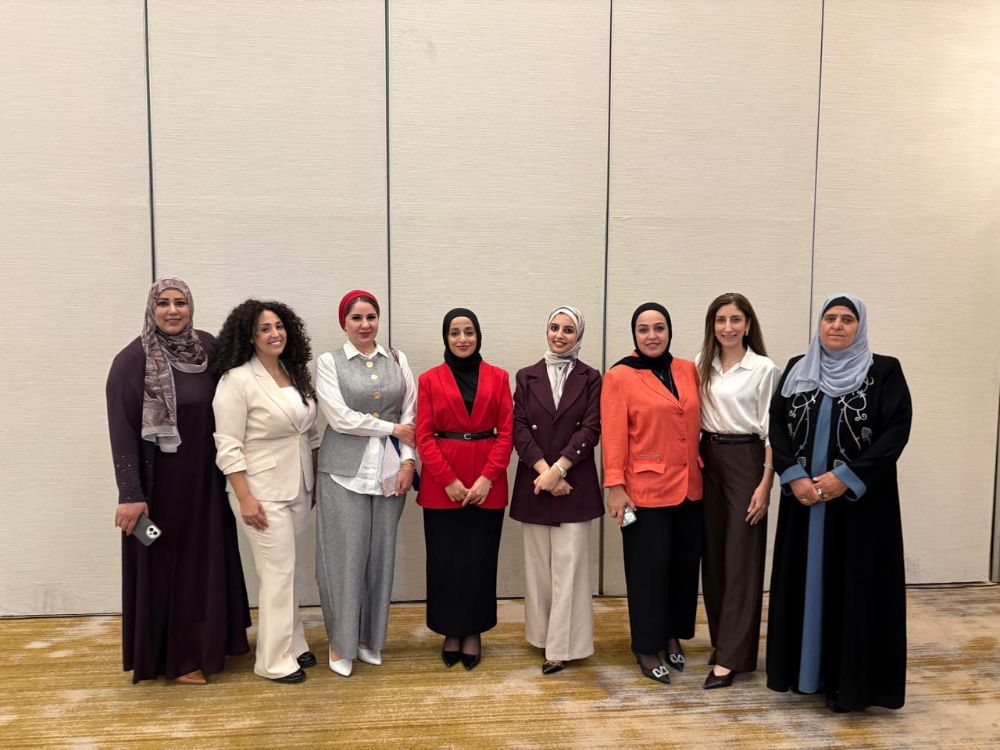
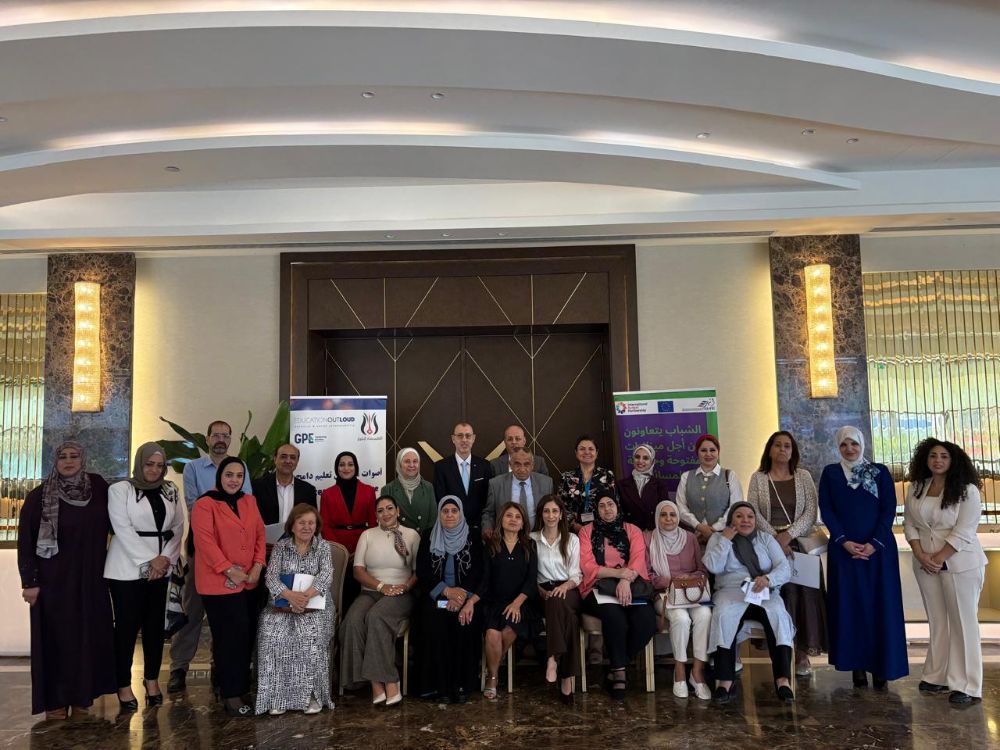
The Jordan Network for Education for All (JNEA) and the Arab Network for Human Rights and Civic Education (ANHRE) held a roundtable discussion on Monday, 31 August 2026, in Amman, focusing on education policies related to education financing, inclusive education, and participatory governance in education. The event brought together representatives from the Royal Academy for Inclusive Education for Persons with Disabilities, the General Budget Department, the Accreditation and Quality Assurance Commission, the Ministry of Finance, as well as government and education institutions, civil society organizations, local councils, and youth representatives.
The roundtable aimed to present and discuss three policy papers developed through the joint work of JNEA and ANHRE. The first, “Inclusive Education in Jordan: From Access to Ensuring Quality Education and Responding to the Needs of Students with Disabilities,” examined the challenges of moving beyond access towards meaningful participation and quality learning. The second, “Education Financing in Jordan: Funding Gaps and Spending Priorities from a Right to Education Perspective,” explored gaps in education financing and priorities for public spending. The third, “Participatory Governance in Education: Activating Education Development Councils and School Networks to Improve Education Quality,” focused on strengthening community participation and its role in educational decision-making.
The session opened with welcoming remarks by Ms. Fotouh Younes, Executive Director of ANHRE, who emphasized that the policy papers are the outcome of a participatory process involving members of JNEA and the youth group. The process included a series of multi-stakeholder policy dialogues held across the three regions of Jordan to identify key education challenges and local priorities for improving the quality of education.
Mr. Khalil Radwan, Chair of JNEA, also welcomed participants and highlighted the importance of the Network’s role in analyzing the key factors affecting the education system’s ability to respond to sector priorities, particularly education financing and the equitable distribution of public resources. He stressed that education quality, inclusive education, and community participation should not be viewed solely as policy issues, but also in terms of the adequacy of resources allocated to them, the fairness of their distribution, and their ability to respond to diverse needs at the local level.
Inclusive Education: From Access to Quality
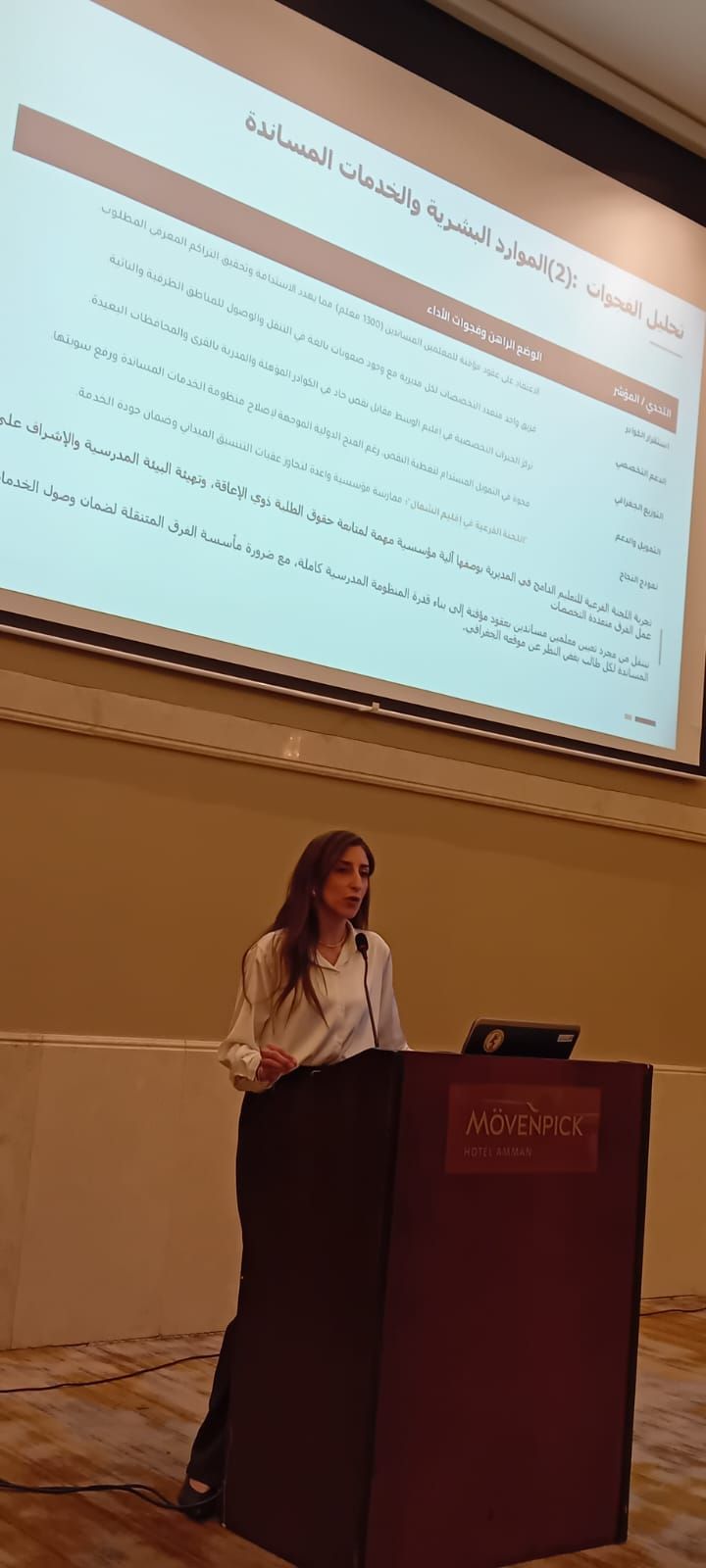
The first session presented key findings and recommendations from the policy paper on inclusive education in Jordan. The discussion emphasized that the challenge facing the education system is not only ensuring that students with disabilities enroll in schools, but also ensuring that their presence translates into meaningful participation, learning, retention, progression, and success.
Available evidence and the findings of policy dialogues conducted across the three regions revealed continued gaps in school readiness, the provision of reasonable accommodations and support services, curriculum flexibility, teaching and assessment methods, the capacities of education personnel, and the integration of identification, assessment, referral, and support pathways. Differences in services and resources across regions and schools were also highlighted.
During the presentation, Ms. Abeer Darwazeh noted that the fundamental gap in inclusive education lies in the fact that the expansion of access to inclusive education has not been matched by equivalent progress in ensuring the quality and outcomes of inclusion. Current indicators tend to focus on the number of students, schools, teachers, and services, without sufficiently measuring participation, retention, transition, and learning outcomes.
She emphasized the importance of institutionalizing inclusive education as a quality- and equity-based approach, including integrating quality, accessibility, and universal design standards into legislation and the frameworks governing schools and curricula, as well as incorporating inclusion into national plans and school performance assessment systems.
The session also featured a keynote contribution by Dr. Mayada Al-Natour, Director General of the Royal Academy for Inclusive Education for Persons with Disabilities, who discussed the quality of inclusive education and key priorities and actions required for 2027. She highlighted the importance of the Academy’s role in bridging policy and practice, ensuring that the principles of inclusive education reflected in legislation and national strategies move beyond general commitments and are translated into practical standards, tools, and procedures that can be implemented and monitored within schools.
In addition, the Deputy Director General of the Accreditation and Quality Assurance Commission highlighted the Commission’s efforts to promote and strengthen a culture of quality at all levels. These efforts include the development of a practical guide for school self-assessment to measure quality indicators.
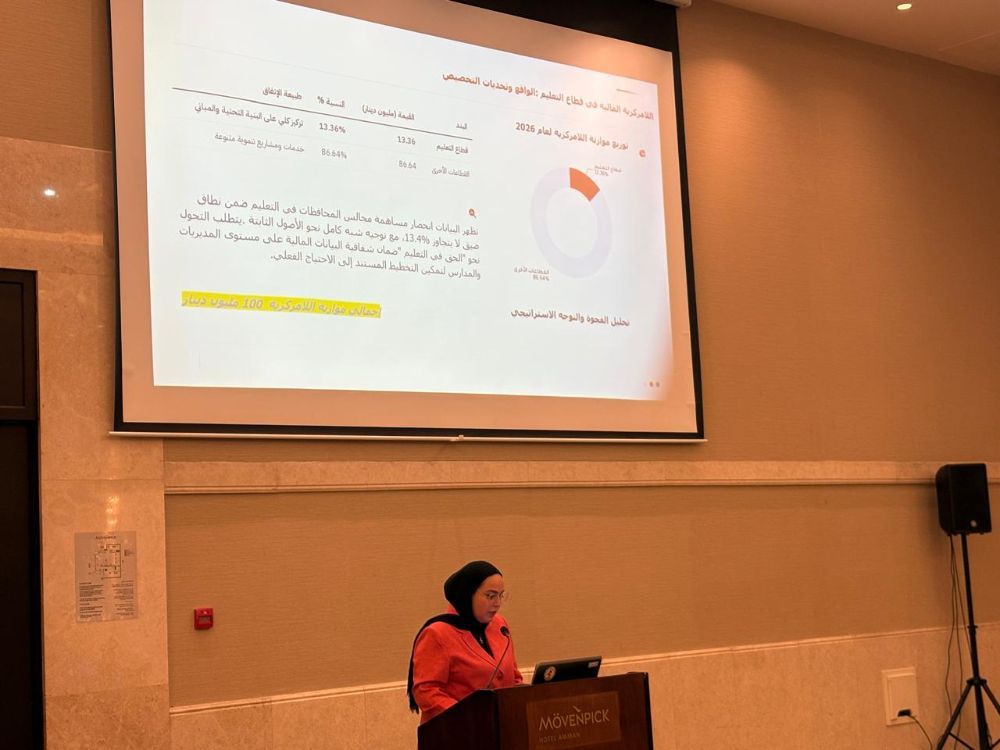
Education Financing: Funding Gaps and Capital Spending Priorities from a Right to Education Perspective
The second session focused on the key findings and recommendations of the policy paper on education financing in Jordan, with particular attention to funding gaps and capital spending priorities from a right to education perspective.
The paper highlighted that, despite significant progress in access to education and enrollment—particularly at the compulsory education level—this quantitative progress continues to face challenges related to education quality, equity, and the sustainability of the education system. Gaps remain in infrastructure, learning environments, and learning opportunities, while the system’s capacity to respond to the needs of more vulnerable groups and areas varies, including students with disabilities, people living in rural and Badia areas, and refugees.
Addressing these challenges requires adequate public resources that can be directed towards education priorities. In this context, the paper identified two interconnected challenges facing education financing in Jordan.
First, the overall level of public resources allocated to education remains limited in relation to the growing needs of the education system and the requirements for improving quality and equity. Second, the structure of expenditure leaves limited fiscal space for capital and developmental investments capable of addressing structural imbalances within the education system.
The session also included a discussion on frameworks for community participation throughout the public budget cycle, including the spaces available for citizens—particularly youth and women—to participate in and influence budget preparation and oversight.
Participants also emphasized the importance of monitoring the financing of inclusive education within the 2027 budget and ensuring that resources are directed towards the needs of students and groups requiring greater support.
Participatory Governance in Education: From Participation to Influence in Decision-Making
The third session addressed the key findings and recommendations of the policy paper on participatory governance in education and the activation of Education Development Councils and School Networks to improve education quality.
The discussion focused on the importance of moving beyond symbolic or formal community participation towards meaningful participation in educational decision-making, monitoring, and accountability.
The paper emphasized the need to redesign the relationship between schools, local communities, and education authorities, enabling Education Development Councils and School Network Councils to become active participants in a data-driven education decision-making cycle—from identifying problems and priorities, through planning and implementation, to monitoring and accountability.
Strengthening Participatory and Evidence-Based Education Policy
The roundtable was organized as part of the joint efforts of ANHRE and JNEA under the “Voices for Inclusive Education” project, funded by the Global Partnership for Education (GPE) and managed by Oxfam Denmark, alongside the “Youth Collaborating for Open and Accountable Budgets” project, implemented by ANHRE in partnership with the International Budget Partnership and supported by the European Union.
Both projects aim to strengthen community and youth participation in education policy and public budget analysis, supporting efforts to identify education priorities and influence public policies and spending from a right to education, equity, and social inclusion perspective.
Throughout 2026, the partners worked on analyzing the education sector budget using a participatory education budget tracking and analysis tool, while integrating the findings with the outcomes of policy dialogues conducted across Jordan’s three regions. The process involved broad participation from education stakeholders, local councils, civil society organizations, and youth.
This participatory process helped connect the priorities and needs identified by local communities with data on education financing and resource distribution, ultimately contributing to the development of evidence-based policy papers that put forward priorities and recommendations to strengthen the quality, equity, and inclusiveness of education and ensure that the education system is responsive to the needs of all learners.
For more information about the “Voices for Inclusive Education” project, click here.
For more information about the “Youth Collaborating for Open and Accountable Budgets” project, click here.
For more photos from the event, click here.
To read the news article on Al Rai Newspaper’s website, click here.
To read the news article on Enjaz News’ website, click here.