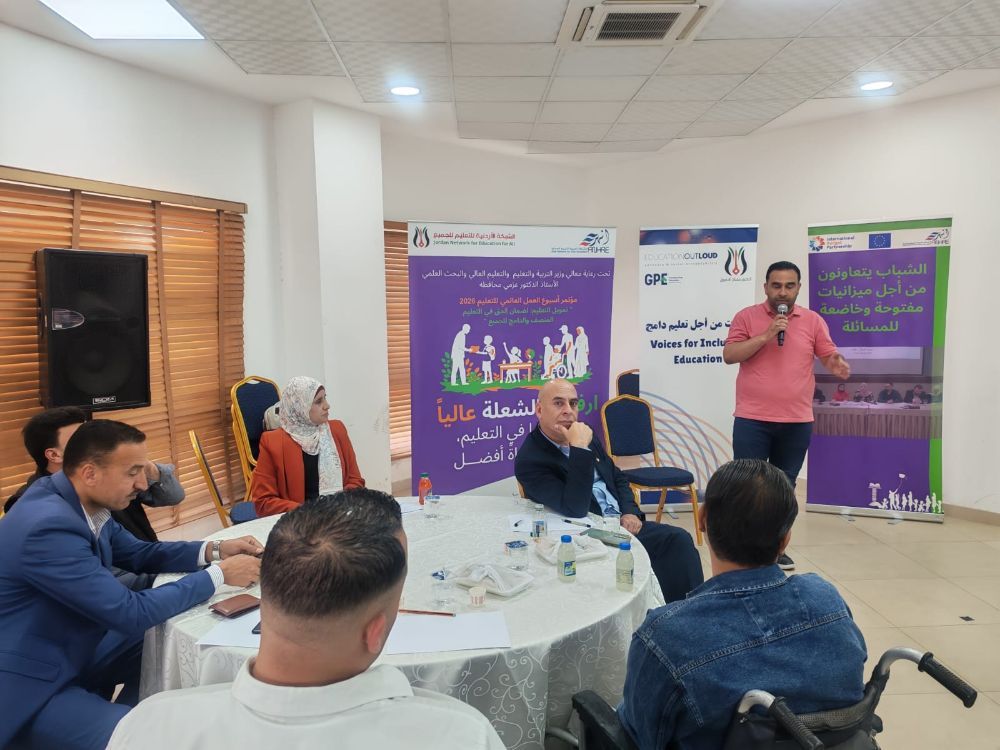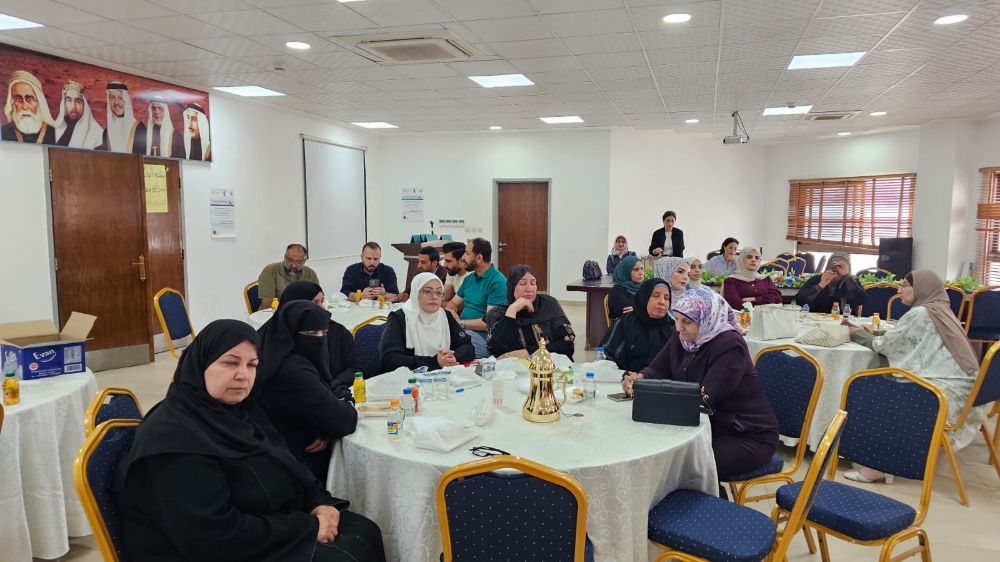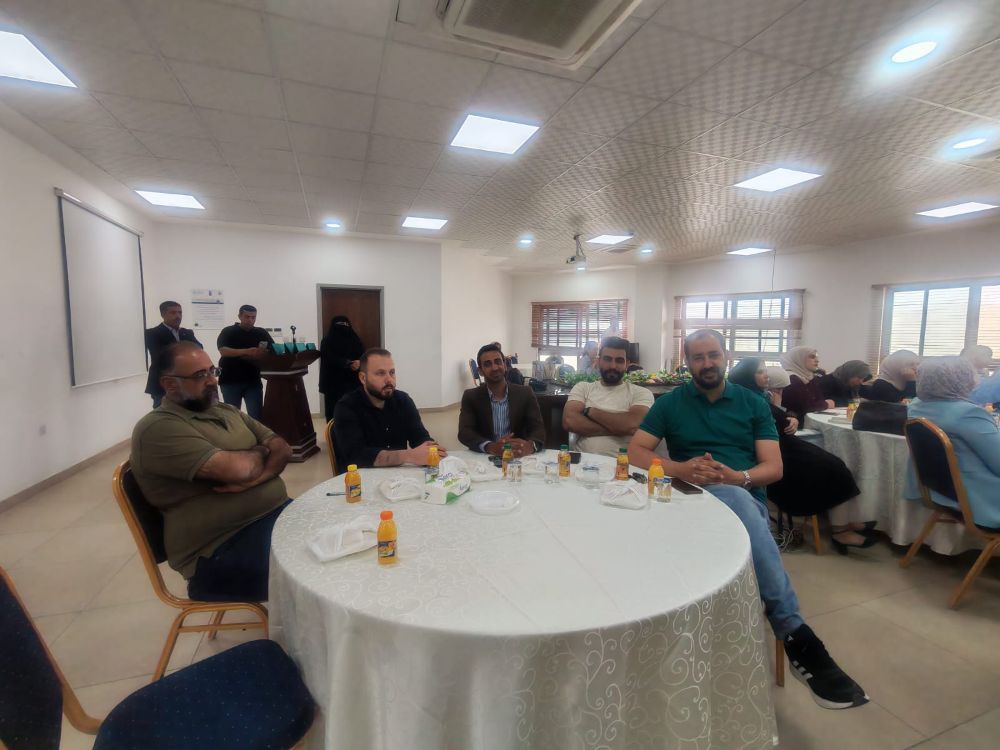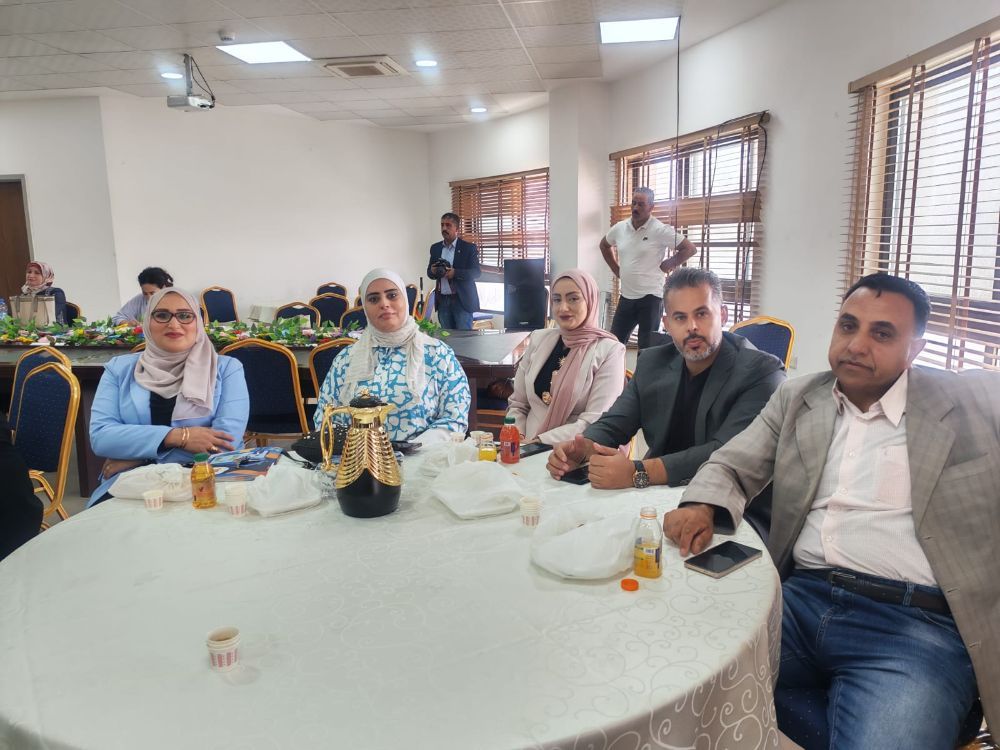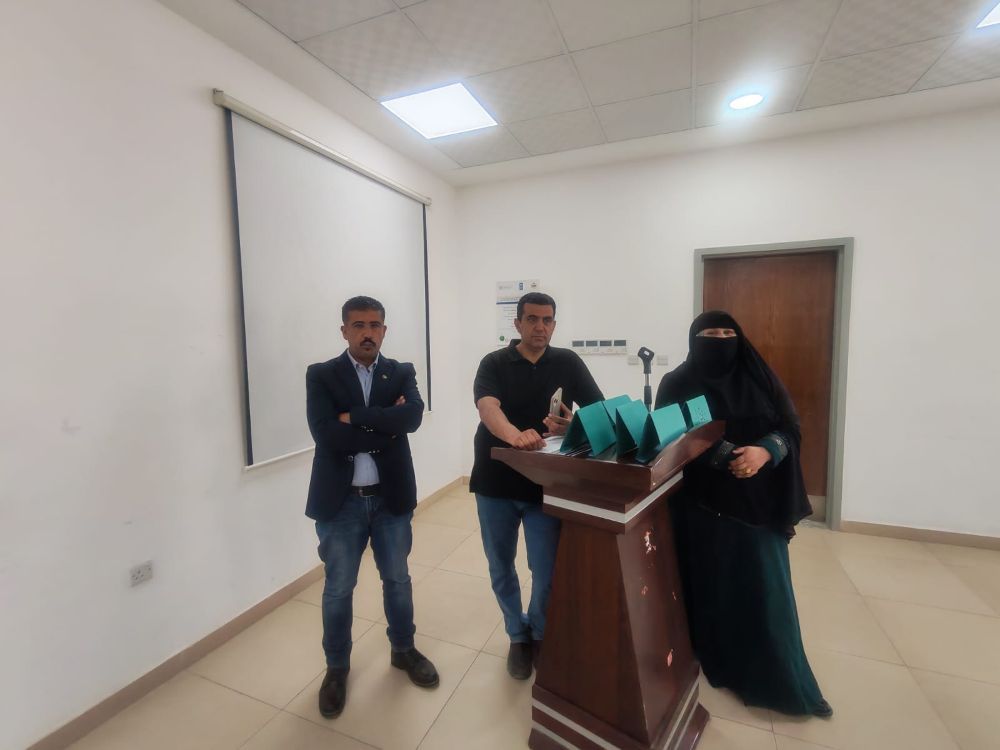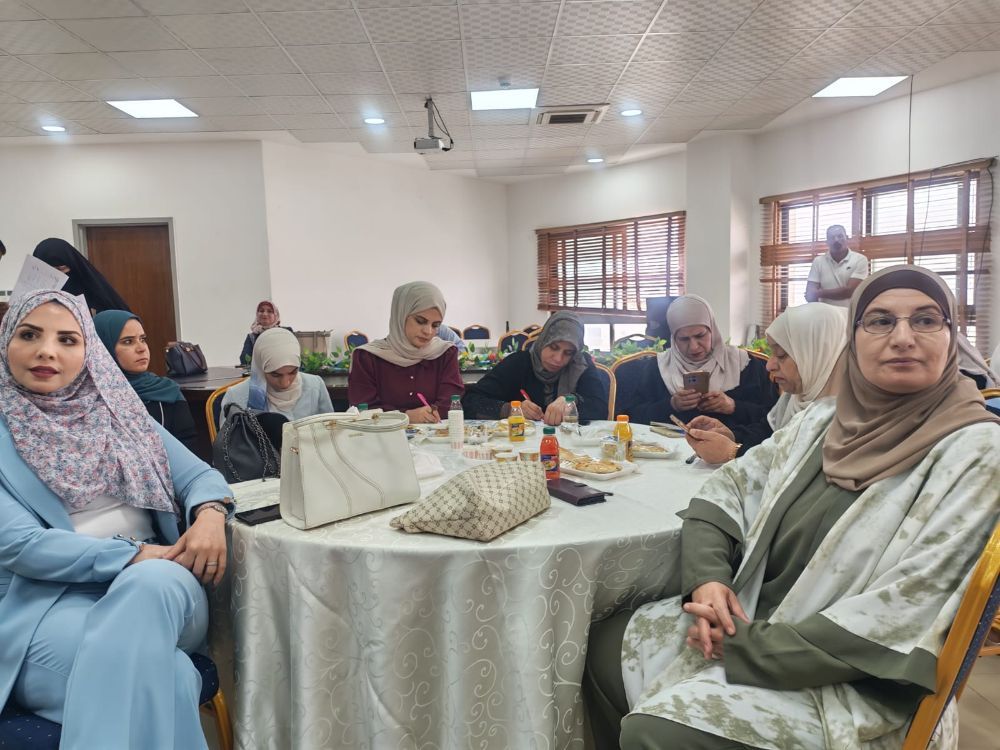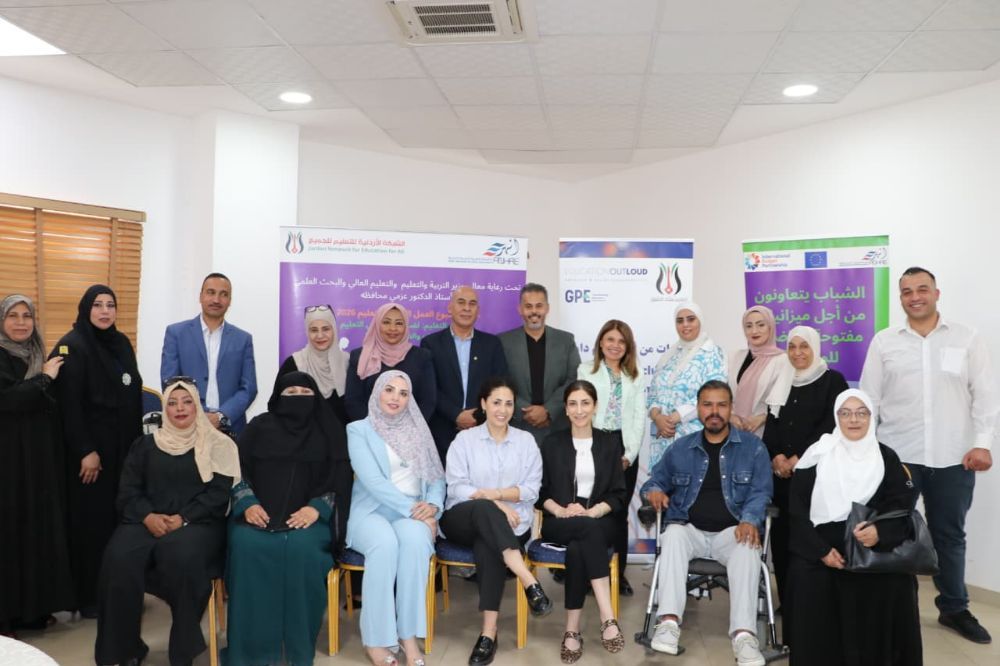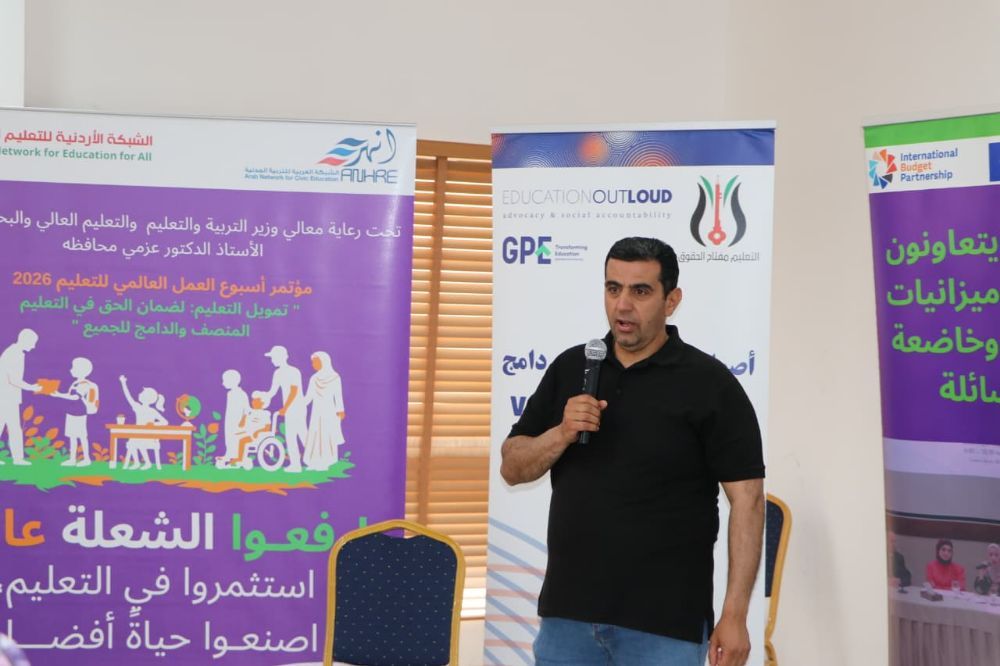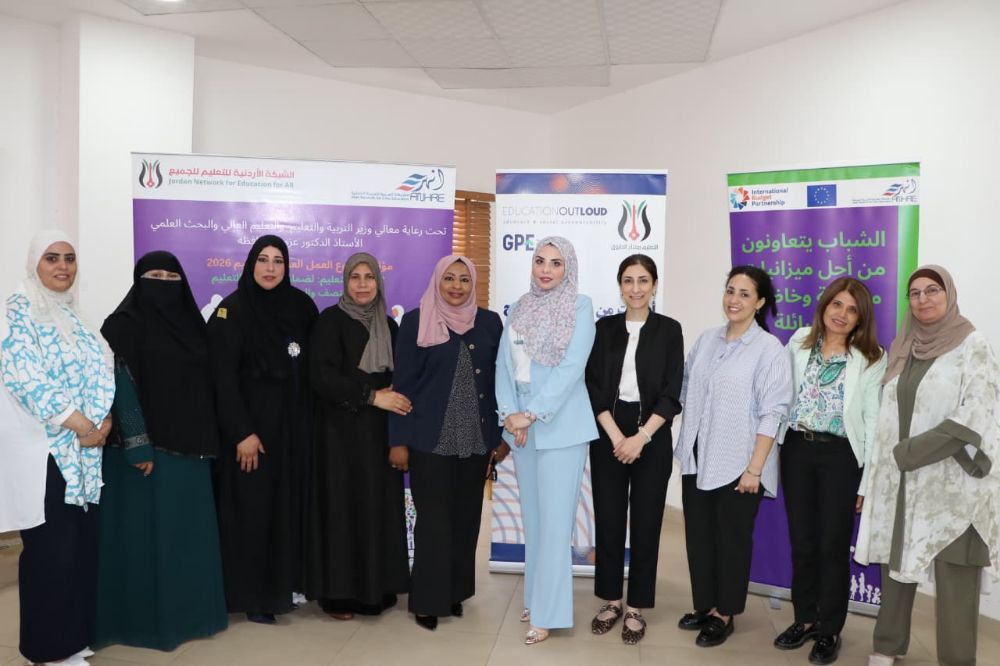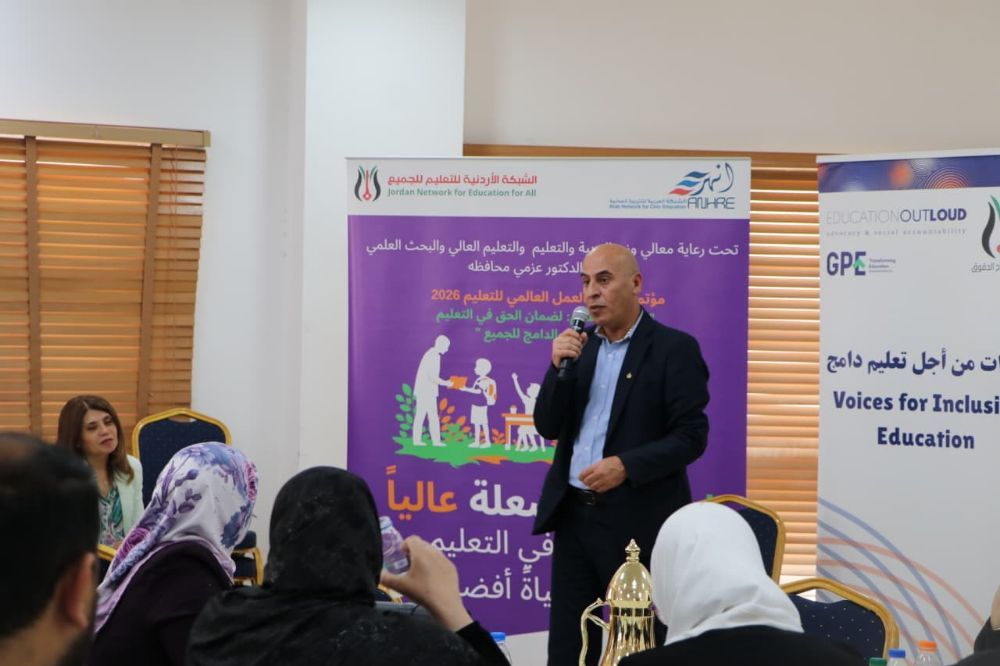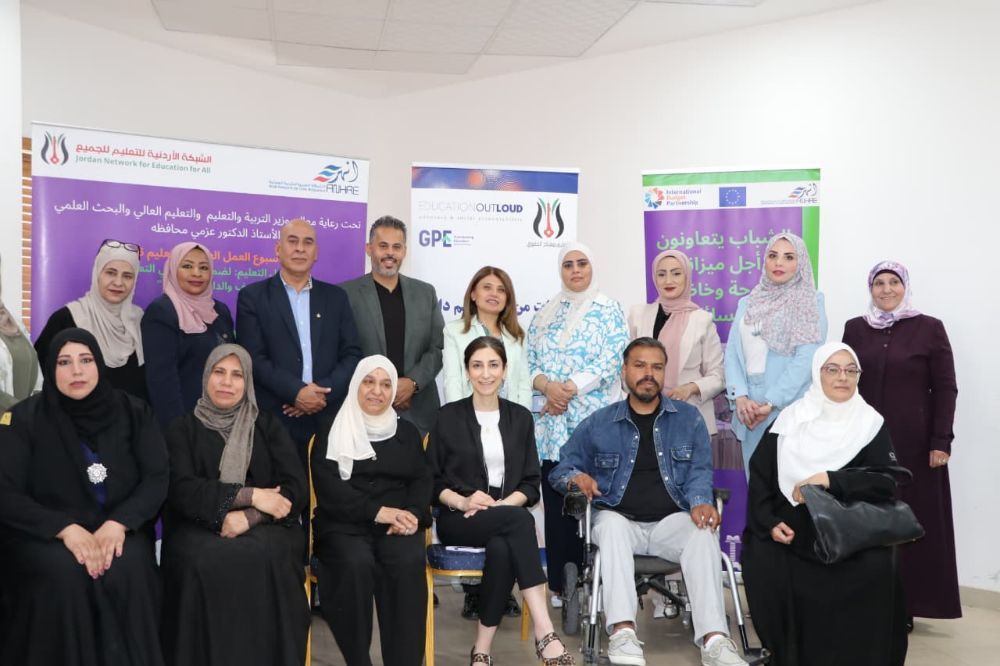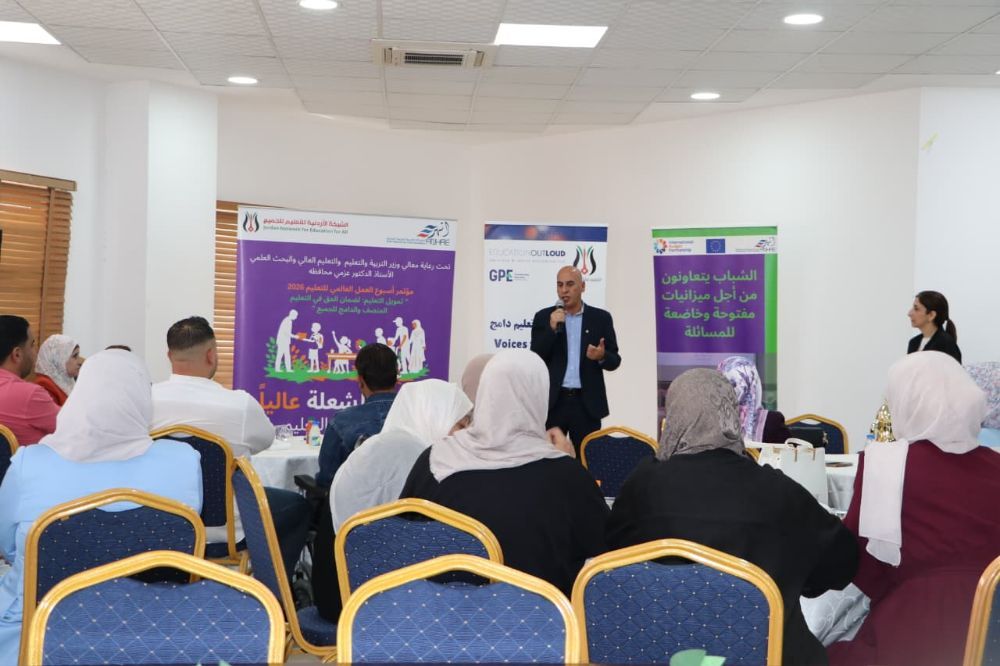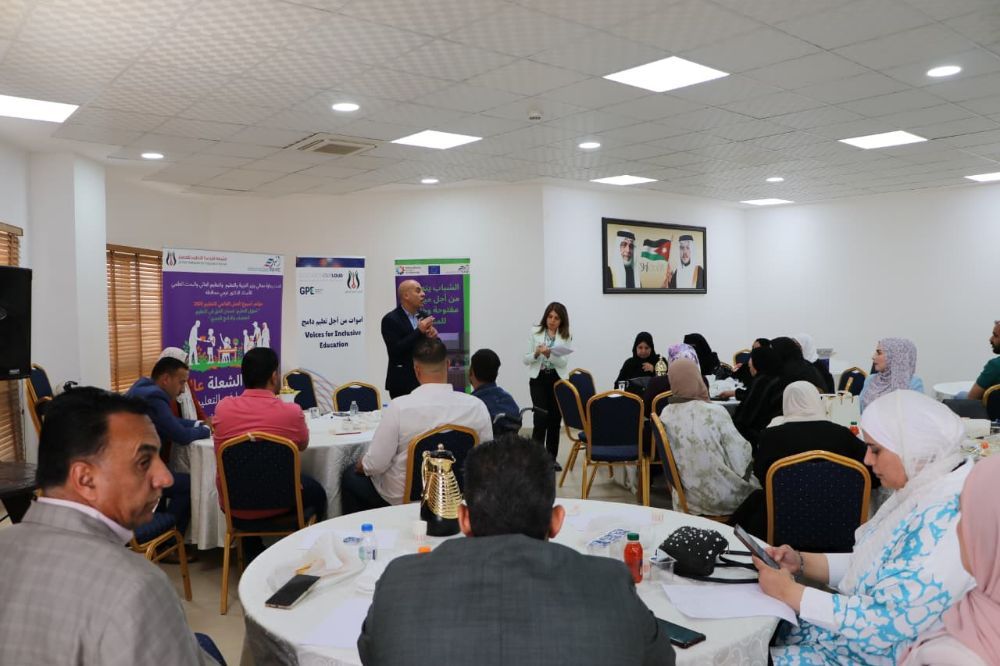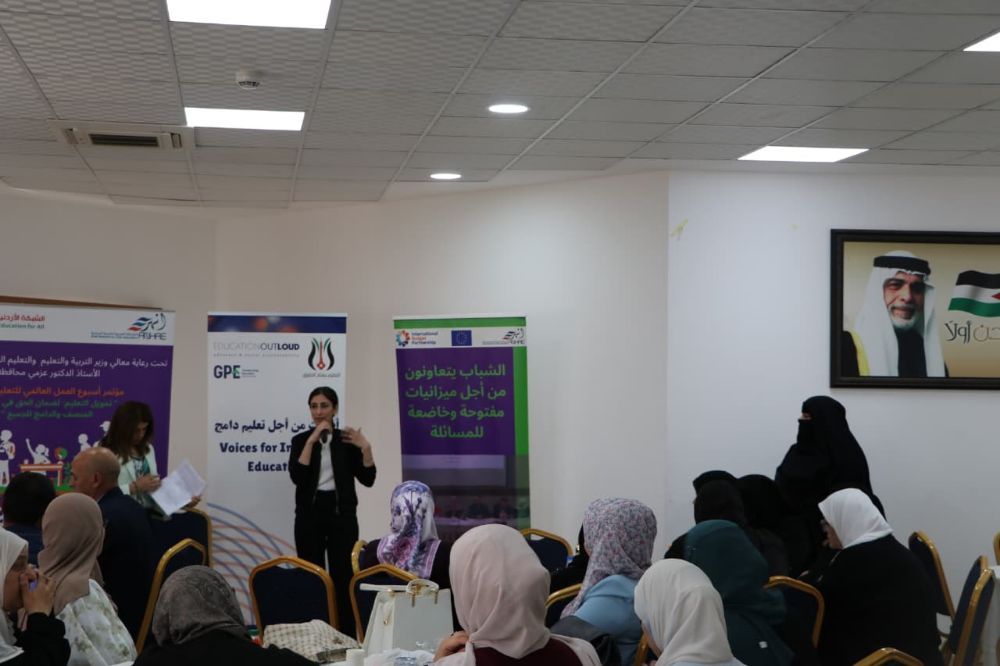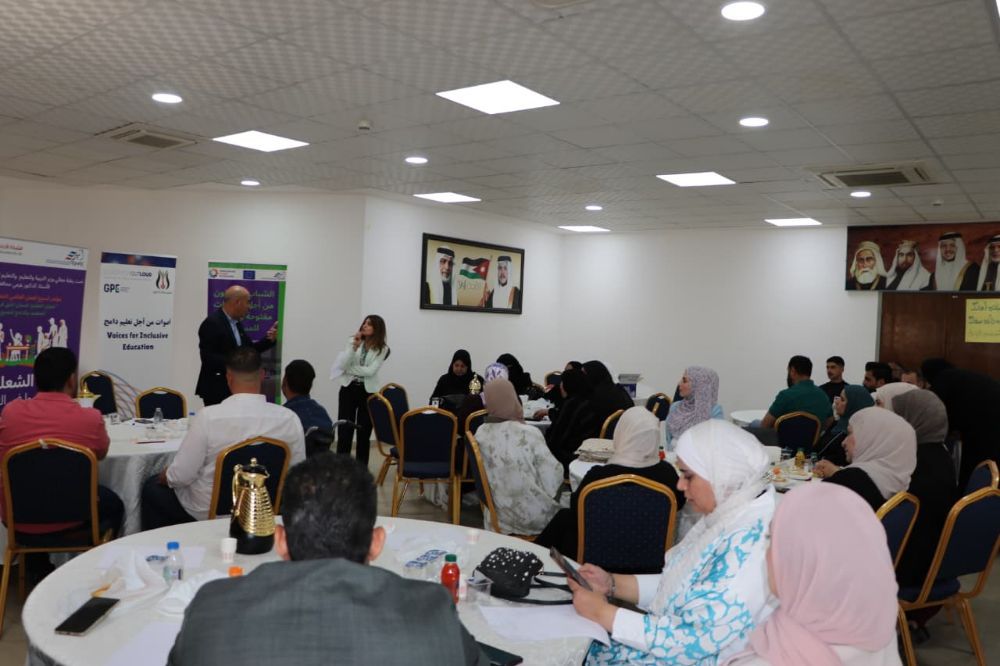
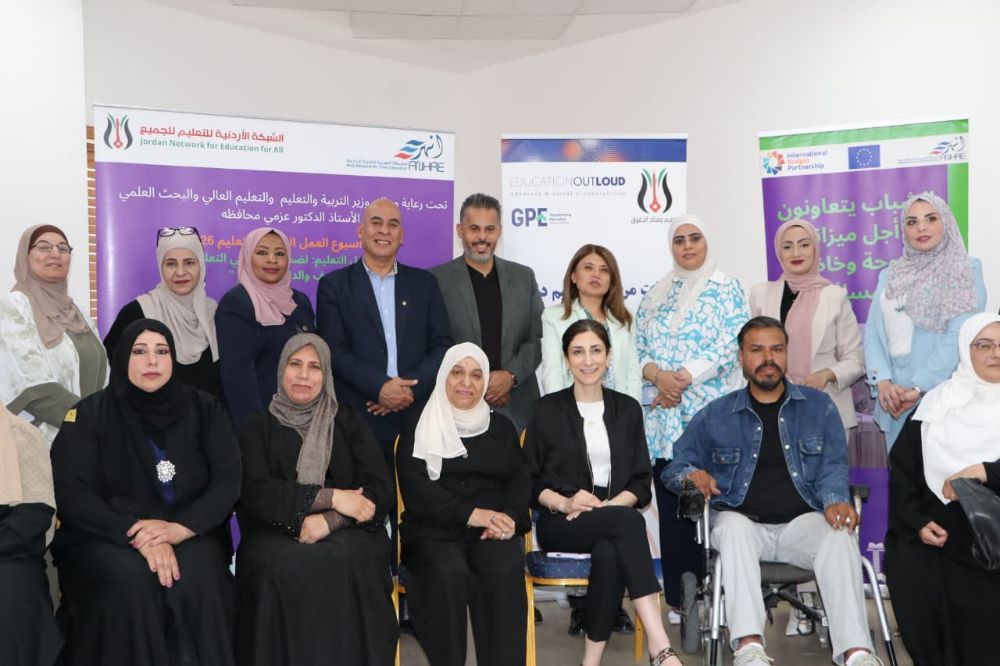
Tafilah, May 2026 – In the context of the Global Action Week for Education, under the theme: “Financing Education: Ensuring the Right to Inclusive and Equitable Education for All,” and in line with the Arab Network for Civic Education (ANHRE)’s focus on financing inclusive education, ANHRE, in collaboration with the Jordan Network for Education for All, organized a multi-stakeholder dialogue session for the governorates of the Southern Region (Tafilah, Ma’an, Karak, and Aqaba).
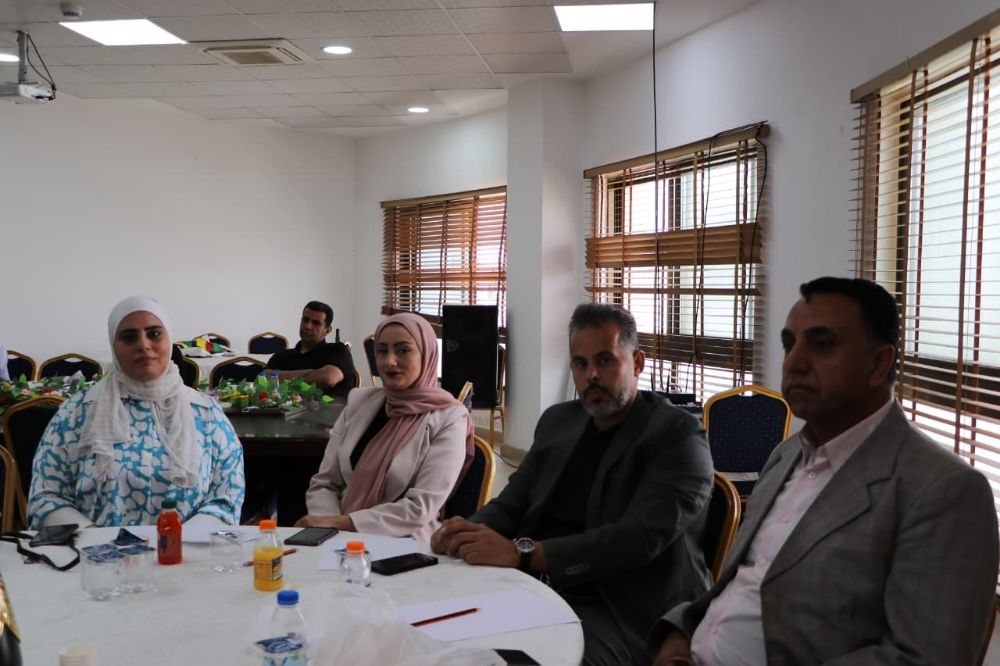
The session, titled “The Present and Future of Education in Relation to Inclusive Education, Technical and Vocational Education, and Mechanisms for Determining Adequate Financing to Ensure the Right to Inclusive and Equitable Education for All,” brought together representatives from the Ministry of Education, civil society organizations, local decision-makers, members of education councils, directors of education directorates, as well as school principals, teachers, education experts, and active youth participants from across the southern governorates.
This session is part of a series of national dialogues implemented by ANHRE and the Jordan Network for Education for All under the project “Youth Collaborate for Open and Accountable Budgets,” in partnership with the International Budget Partnership (IBP) and funded by the European Union. The aim is to identify key gaps and challenges in education financing at the local level and to generate practical recommendations that contribute to more equitable and sustainable education policies.
The session focused on key themes related to basic and secondary education, inclusive education, technical and vocational education, and the inclusion of persons with disabilities. Discussions highlighted challenges in access to and enrollment in inclusive schools in the southern region, as well as the need to provide safe and inclusive learning environments for all.
Participants also examined major gaps in technical and vocational education, including its availability in schools across the region, levels of enrollment, and its strong linkage to the labor market. The discussion emphasized the potential of technical education as a driver of local development when aligned with regional economic sectors, as well as the importance of place-based education, private sector partnerships, and practical training opportunities.
Participants discussed the importance of equitable distribution of educational resources and promoting gender equality, while ensuring that financial allocations reflect actual regional needs to reduce geographic disparities. They also reviewed education financing gaps and their impact on access, quality, and inclusion, and proposed practical recommendations to improve financing efficiency and optimize resource use.
The participants stressed the need to enhance the efficiency of resource allocation, increase investment in educational infrastructure, and strengthen financing for inclusive education. They also highlighted the importance of adopting clear and fair criteria for budget allocation—particularly decentralization allocations—and granting greater authority at the local level to ensure timely and effective spending.
Organizers noted that this session is part of a participatory national process aimed at developing a comprehensive, evidence-based policy paper that reflects the priorities and needs of different regions across the Kingdom. This effort contributes to advancing the right to quality, equitable, and inclusive education for all, while emphasizing the importance of increasing public investment in education to keep pace with evolving challenges in the sector.
for More information about the project Click here